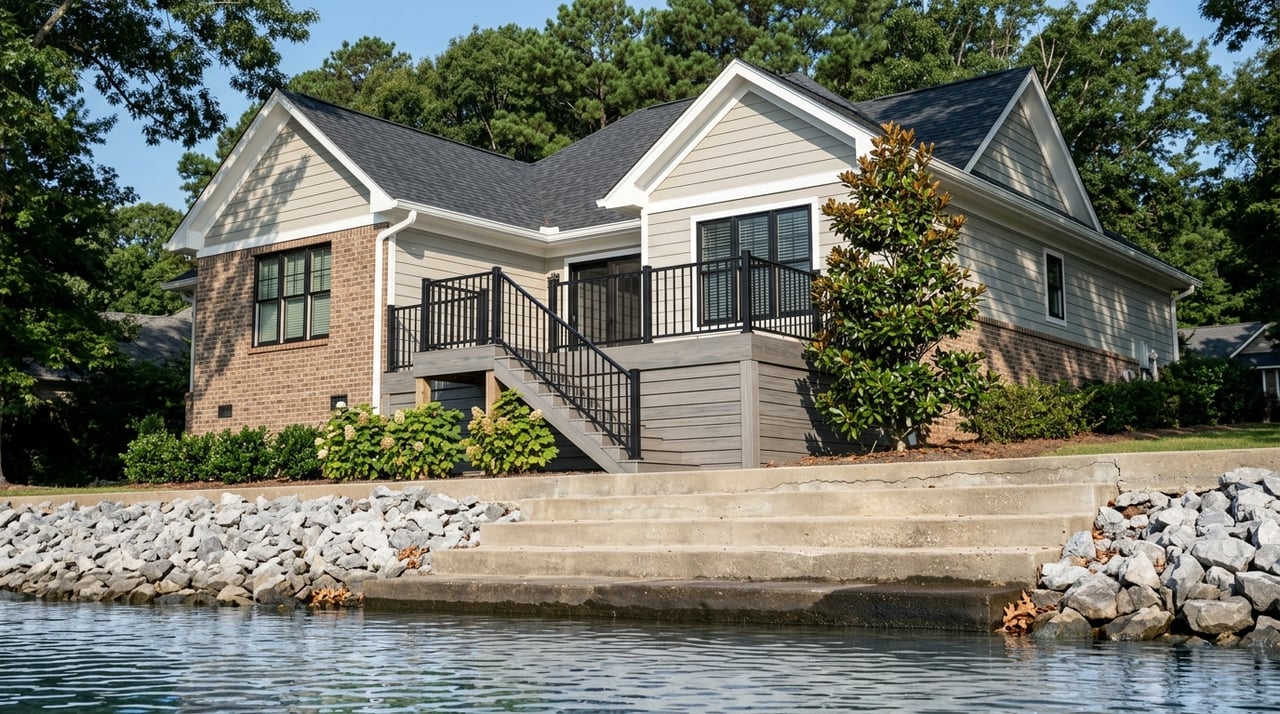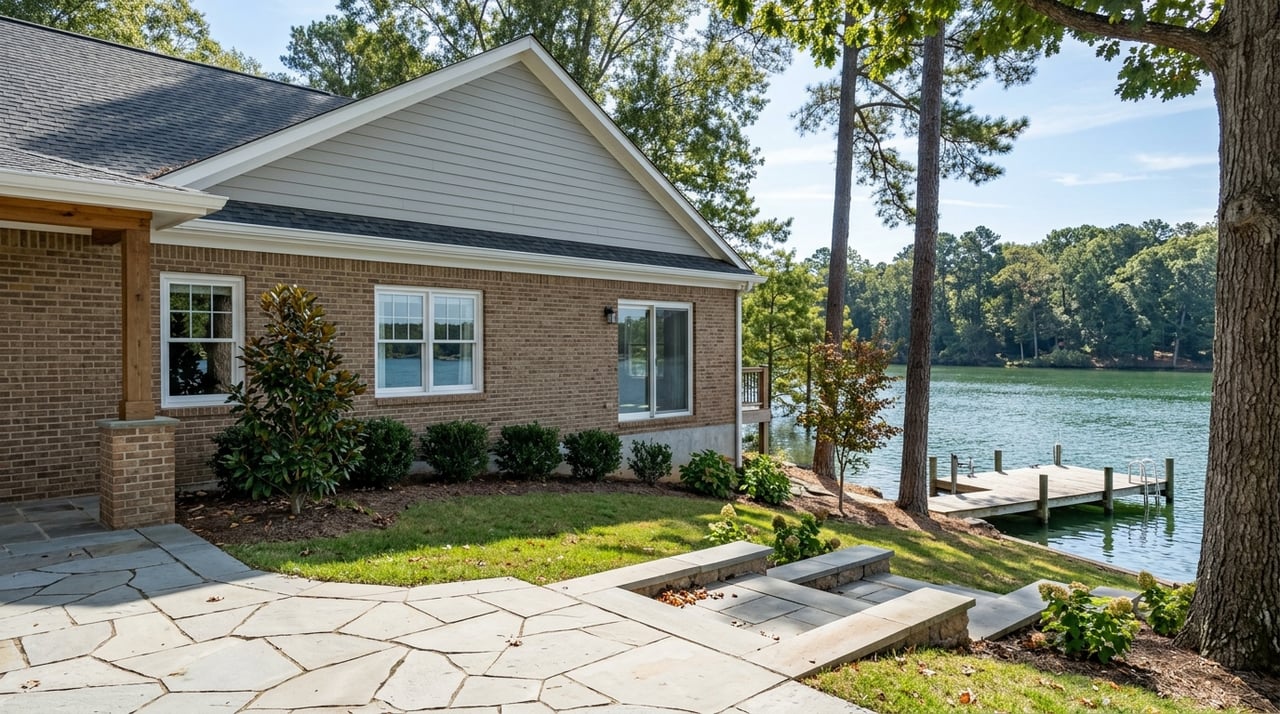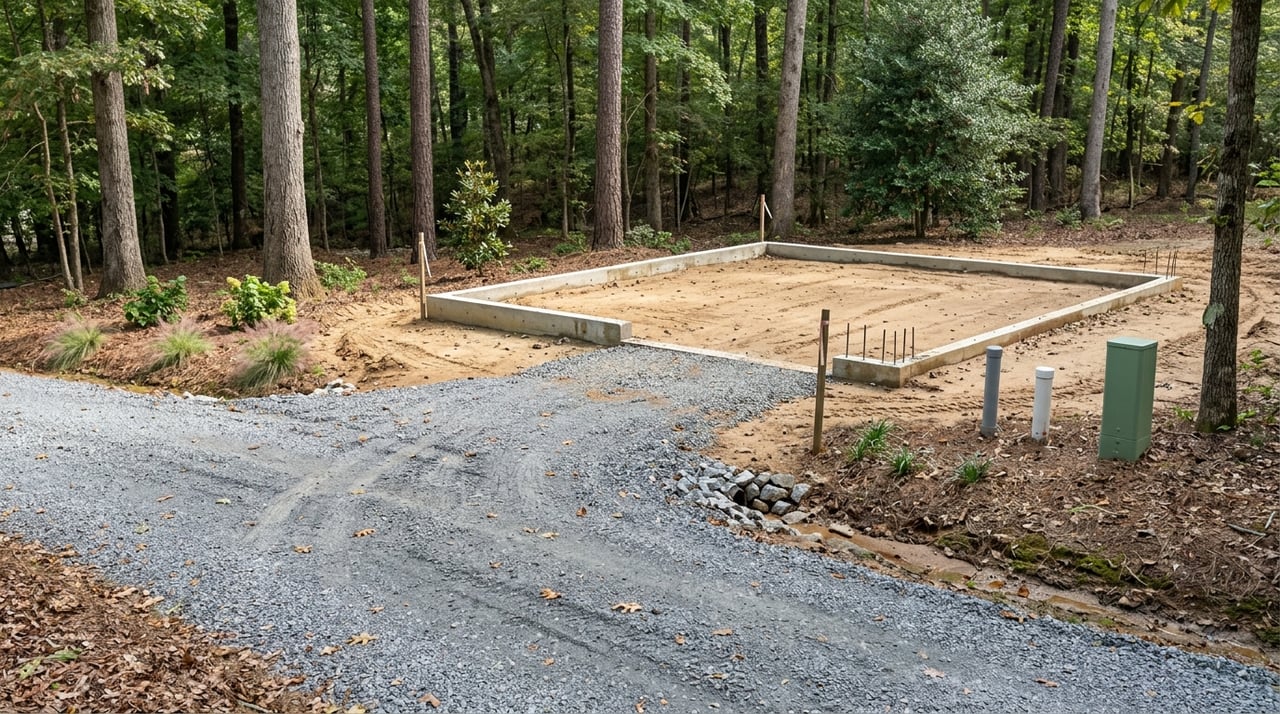
Thinking about buying land on Smith Lake and building your dream place? The view may sell you fast, but a lake lot is not just about the scenery. Before you commit, you need to know what the land can support, what approvals may be required, and how the shoreline rules can shape your plans. If you understand those details early, you can avoid costly surprises and move forward with more confidence. Let’s dive in.
Start With Buildability First
When you look at Smith Lake land, treat it like a permit-and-site-suitability project, not just a land purchase. A beautiful lot may still come with limits tied to shoreline frontage, slope, access, drainage, utilities, and local approvals. That is why buildability should come before floor plans, dock ideas, or contractor bids.
On Smith Lake, shoreline work on project lands and waters is controlled by Alabama Power through a written permit system. Their guidelines make clear that shoreline construction requires a written permit before work begins. Verbal approval is not enough.
The lake’s full-pool reference is 510 feet MSL, and Alabama Power’s flood-easement area extends to 522 feet MSL. That means elevation affects where you may build, how the lot drains, and how your house site relates to the shoreline. A lot that looks usable at first glance can become more limited once those elevations are mapped out.
Know What the Shoreline Can Support
One of the biggest questions with Smith Lake land is whether the shoreline can support the features you want. If you picture a dock, boathouse, walkway, or bank stabilization work, those improvements need to be evaluated early. They are not automatic just because you own the lot.
Alabama Power states that lot owners do not have an automatic right to place a structure on Alabama Power’s fee-owned shoreline property. The permit review may require a deed, survey, contact information, contractor information, and a sketch showing existing and proposed shoreline structures. In practical terms, that means your dream setup needs to work on paper before it can work on the lot.
Frontage matters too. According to Alabama Power’s guidelines, lots with less than 100 linear feet of shoreline may be restricted or may not qualify for structures. If the lot sits on a narrow slough, that can also limit how far a dock or boathouse may extend at full pool.
House placement matters as much as dock placement. Elevated single-family structures must maintain a 25-foot setback from the full-pool elevation. That can affect where your home sits, how your walkway reaches the water, and how much usable outdoor space you actually have.
Check Septic and Water Early
For many Smith Lake lots, utilities become the first hard reality check. If public sewer is not available, septic feasibility should be reviewed before closing. This is especially important for larger custom homes, multi-bedroom plans, or lots with steep slopes or difficult soils.
The Alabama Department of Public Health advises buyers to check with the city sewer authority or local health department before buying land. If sewer is not available, expect soil testing and site evaluation. ADPH also notes that some lots are not suitable for onsite sewage disposal because of shallow soil, poor drainage, excessive wetness, small lot size, or steepness.
Septic permitting is handled through county health departments. Around Smith Lake, that can include the Cullman County, Walker County, or Winston County Health Department depending on where the lot is located. Their environmental services include onsite sewage and related permitting, which makes them a key early stop in your research.
Water service also needs to be confirmed lot by lot. Cullman County Water Department serves customers in Cullman, Morgan, Walker, and Winston counties, and Curry Water Authority serves areas of Walker and Winston County. Still, service area information does not guarantee every lot can connect, so you should verify the exact parcel rather than assume.
If the property will rely on a private well, well water testing matters too. ADPH recommends bacteriological testing through the county health department, and Alabama Extension recommends annual well-water testing. That gives you a practical way to confirm water quality and plan for ongoing maintenance.
Understand Erosion and Shoreline Rules
Shoreline design on Smith Lake is often driven by rules, not preference. Alabama Power’s guidelines favor rip-rap and natural bank stabilization for erosion control. Seawalls are reviewed case by case, and backfill must be approved.
The rules also prohibit debris or foreign materials as backfill and do not allow new creosote products. Dredging requires Alabama Power approval and a designated spoil site. So if you are imagining a quick shoreline makeover, it is important to know that the final design may be shaped more by erosion-control requirements than by appearance alone.
Some shoreline areas have even tighter limits. Alabama Power said in 2022 that portions of Smith Lake identified as flattened musk turtle habitat or potential habitat require enhanced natural stabilization instead of conventional hard shoreline treatment for certain erosion work or seawall reconstruction. That work is also limited to fall and winter.
For you as a buyer, the takeaway is simple: do not assume a shoreline fix will be easy, fast, or standard. The exact shoreline segment can change the materials, timing, and scope of the work.
Plan Around Lake Levels and Timing
Timing matters more on a lake build than many buyers expect. Alabama Power says Smith Lake begins lowering on July 1 and ends lowering on November 30. That seasonal schedule can affect water access, dock construction timing, and shoreline work.
It can also affect how contractors stage materials and equipment near the water. If your lot already has limited shoreline access or steep terrain, seasonal water levels can add another layer of planning. That is one more reason to line up approvals and site details before locking in a construction schedule.
There is also an important use restriction for shoreline structures. Alabama Power’s guidelines say permitted shoreline structures are not for human habitation and may not include fixtures such as toilets, sinks, showers, or bathtubs. If you are picturing over-water living space, that distinction matters.
Verify the Parcel’s Local Jurisdiction
One common mistake is assuming the same local rules apply all around Smith Lake. They do not. The exact parcel location determines which offices may be involved in access, floodplain review, building permits, setbacks, and environmental approvals.
For example, Walker County’s engineering page states that outside the airport area, the county has no zoning rules or regulations, no building regulations, does not require building permits for structures, and does not issue certificates of occupancy. It also notes that environmental matters are handled by the Walker County Health Department.
By contrast, the City of Cullman requires building permits within city limits, and its building department handles planning and zoning, setbacks, property lines, and easements. That is a major difference, and it shows why parcel-specific research matters before you finalize design plans.
Cullman County also publishes materials tied to driveway pipe permits, utility facilities on public rights-of-way, subdivision regulations, and floodplain or NFIP development. For some lots, that means road access, culverts, drainage, and floodplain review may all be part of your timeline.
A Survey Is More Than a Closing Item
On lake property, a survey is not just paperwork for the transaction. It can be one of the most important buildability tools you have. Alabama Power’s permit guidelines may require a current survey showing property lines and, when needed, the full-pool elevation.
That survey helps answer practical questions early. Where can the house sit? How close is the full-pool line? Is there enough room for the setback, septic area, driveway access, and shoreline improvements to work together?
Without a current survey, you may be making expensive assumptions. With one, you can evaluate the lot more clearly before you commit to a design or even to the purchase itself.
Use Licensed Professionals
Once you know the lot can support your goals, the next step is making sure the right professionals are involved. Alabama’s Home Builders Licensure Board says residential home builders must be licensed. Its guidance also states that a building official can issue a stop-work order if a builder lacks the required license.
If the project cost exceeds $10,000, the board’s FAQ defines that work under the residential home builder rules. For most new-home projects on Smith Lake, that makes builder licensing an essential checkpoint, not a small detail.
Septic work has licensing rules too. ADPH states that septic tank installers and pumpers must hold a license from the Alabama Onsite Wastewater Board, and county health departments should be contacted for permits and inspections. That means your septic contractor should be part of the planning conversation early.
Follow the Right Approval Order
A smooth Smith Lake build usually starts with the right sequence. If you move too fast into house plans or contractor scheduling, you can end up redesigning later to fit the lot’s actual limits. That wastes time and money.
A practical order looks like this:
- Confirm the parcel’s jurisdiction and governing offices.
- Get a current survey and review shoreline geometry and elevations.
- Verify septic feasibility and water options.
- Review shoreline permit needs with Alabama Power.
- Check access, drainage, driveway, and floodplain requirements.
- Finalize builder selection and construction timing.
This approach lines up with the way the official requirements fit together in practice. It also helps you make decisions based on what the lot can really support, not what you hope it can support.
Why Local Guidance Matters on Smith Lake
Buying Smith Lake land can be exciting, but it also comes with more moving parts than a typical home purchase. Frontage, slopes, septic, water, shoreline permits, and county-by-county rules can all affect whether a lot fits your vision. When you know those answers upfront, you can buy with much more confidence.
That is where local experience makes a real difference. If you are considering land or a future build on Smith Lake, working with someone who understands lakefront property, acreage, and the local approval landscape can help you ask better questions before you invest. When you are ready to talk through your options, connect with Jay Barrett to schedule a free consultation.
FAQs
What should you check before buying Smith Lake land to build on?
- You should check shoreline permit limits, lot frontage, slope, elevations, septic feasibility, water access, road access, floodplain issues, and the parcel’s local jurisdiction before you buy.
Does every Smith Lake lot qualify for a dock or boathouse?
- No. Alabama Power says shoreline structures are location-specific, and factors like shoreline frontage, slough width, and shoreline ownership can restrict or prevent approval.
Do Smith Lake lots usually need a septic permit?
- If the lot is not on public sewer, you will likely need septic review through the county health department, including soil testing and site evaluation.
Can you build a guest space over the water on Smith Lake?
- No. Alabama Power’s guidelines state that permitted shoreline structures are not for human habitation and cannot include fixtures like toilets, sinks, showers, or bathtubs.
Which office handles permits for Smith Lake land?
- It depends on the parcel. Shoreline work may require Alabama Power approval, while septic is handled by the county health department, and access, floodplain, or building matters may be handled by the city or county with jurisdiction.
Why is a survey important for a Smith Lake build?
- A current survey can help show property lines, shoreline position, and full-pool elevation, which are all important for setbacks, permit review, and overall buildability.