If you are dreaming about waking up to water views every day, Smith Lake can absolutely deliver that lifestyle. But year-round living here is not the same as owning a weekend getaway, and that difference matters if you want to buy with confidence. When you understand the lake’s seasonal patterns, nearby service hubs, and shoreline rules, you can decide whether full-time life on Smith Lake truly fits the way you want to live. Let’s dive in.
What year-round living on Smith Lake feels like
Smith Lake offers a setting that feels both scenic and connected. Lewis Smith Lake covers about 21,200 acres and has more than 500 miles of shoreline across Walker, Winston, and Cullman counties. It is also positioned about an hour north of Birmingham or south of Huntsville, which helps explain why it attracts both full-time residents and second-home owners.
That location gives you a lifestyle that feels removed from city noise without being completely cut off. You get deep, clear water, a broad shoreline, and strong outdoor appeal, but you are still within reach of larger regional hubs. For many buyers, that balance is a major part of the appeal.
Why Smith Lake has a true seasonal rhythm
Living on Smith Lake full time means adjusting to the lake as it changes through the year. Alabama Power manages the lake as a storage reservoir, and the water level is not static from season to season. Smith Lake begins lowering on July 1 and ends lowering on November 30.
That matters because your shoreline, dock access, and day-to-day lake use can look different in spring than they do in fall. The lake is typically refilled in spring so it is ready for summer use by May. If you are considering year-round ownership, this is one of the most important realities to understand upfront.
Spring and summer on the lake
Spring tends to feel like a reset. Temperatures rise, rain remains common, and the lake is being restored for heavy summer recreation. That makes spring a natural time for getting your property, dock, and outdoor spaces ready for the busiest part of the year.
Summer is when Smith Lake is at its most active. In nearby Jasper, July averages a daily high of 89.8°F and a daily low of 69.6°F, while August averages 89.7°F and 68.5°F. If you love boating, entertaining, fishing, and spending long days on the water, summer is when lake living really shines.
Fall and winter on the lake
Fall brings a quieter pace. As water levels begin dropping, shoreline routines often become more focused on maintenance and planning rather than peak recreation. For full-time owners, this is when the practical side of waterfront ownership becomes more visible.
Winter at Smith Lake is generally mild rather than severe. January averages 52.0°F for the daily high and 30.6°F for the daily low in Jasper, and annual snowfall averages just 0.6 inches. That means you can still enjoy the setting year-round, even when boating activity slows down.
Daily life is about more than the view
One of the biggest questions buyers ask is simple: what does normal life look like when you live on the lake full time? The answer is that you will likely depend on nearby towns like Jasper and Cullman for many everyday needs. Smith Lake offers a beautiful waterfront setting, but many errands and services happen off the shoreline.
Cullman County is centrally positioned on Interstate 65 between Huntsville and Birmingham, and access into Cullman is supported by I-65 and major highways. That regional connectivity helps make year-round lake living more practical. You can enjoy the space and scenery of lake life while still reaching grocery stores, appointments, and service providers in surrounding hubs.
Healthcare and services near Smith Lake
For many full-time residents, healthcare access is a key factor. Cullman Regional includes a 175-bed medical center along with outpatient facilities, home health, hospice, and urgent care centers. Walker Baptist Medical Center in Jasper is a 267-bed acute-care facility serving central Alabama.
Those nearby facilities matter because they support the practical side of daily life. If you are planning to live on Smith Lake year-round, it helps to know hospital-level care is available in the surrounding area. That can make the idea of permanent lake living feel much more realistic.
Recreation does not end after summer
It is easy to think of Smith Lake as a summer destination, but the area has year-round recreation value. Outdoor Alabama notes that Smith Lake is known for bass, bream, and crappie fishing around shoreline rocks and fallen timber. The lake also has a reputation for trophy striped bass.
There is more to the off-season than many buyers expect. The Sipsey Fork tailwaters below Smith Lake support Alabama’s only year-round trout fishery, with rainbow trout stocked monthly. For buyers who want an outdoor lifestyle beyond peak boating season, that is a meaningful part of the area’s appeal.
Public access adds flexibility
Public lake access is another benefit for full-time residents and visiting guests. The Smith Lake Dam boating access site includes 6 launch lanes, 107 trailer spaces, paved parking, and bathrooms. That kind of infrastructure supports regular boating use and makes public access easier to plan around.
Smith Lake Park also adds to the area’s everyday lifestyle appeal. According to Cullman County Parks and the City of Cullman, the park offers RV sites, cabins, swimming areas, fishing piers, playgrounds, pavilions, shoreline trails, a public beach, boat launches, and year-round camping. Seasonal events also help keep the area active beyond the busiest summer weekends.
Shoreline ownership comes with responsibilities
A lot of buyers focus first on the view, the water, and the home itself. On Smith Lake, it is just as important to understand the rules and upkeep that come with shoreline ownership. This is where year-round ownership can feel very different from owning a home in a traditional neighborhood.
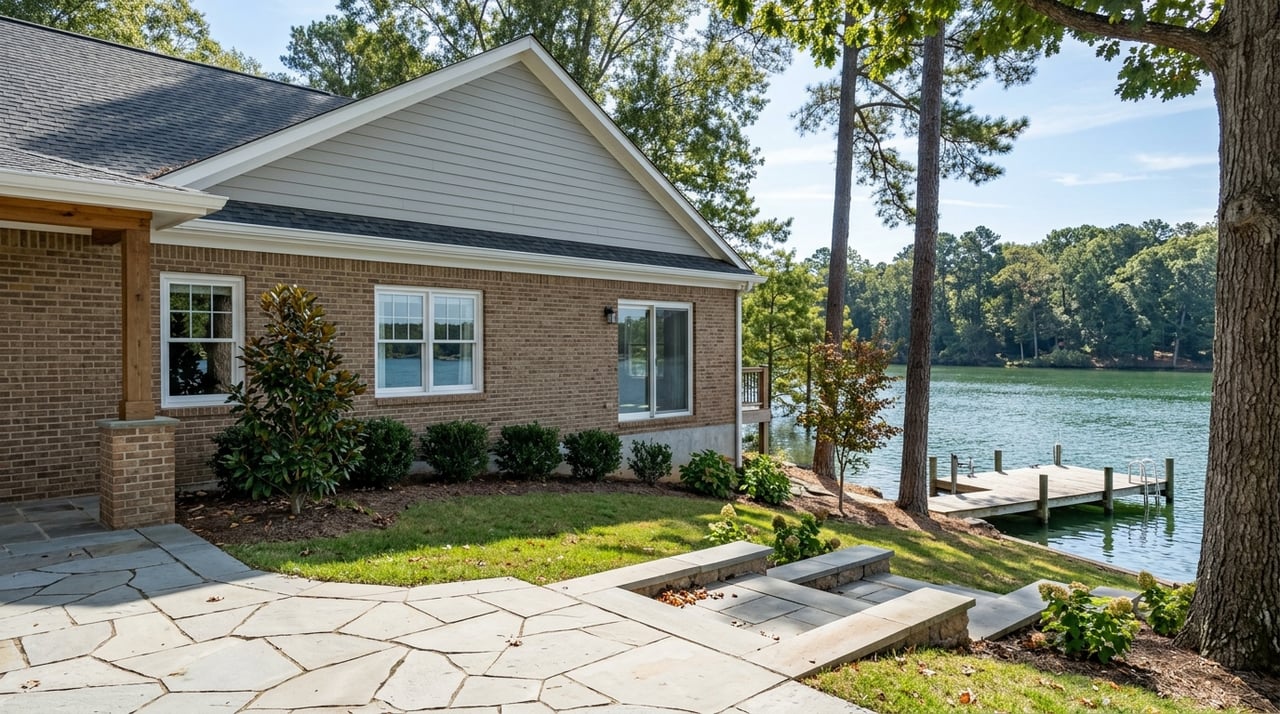
Alabama Power’s shoreline guidelines state that a written permit is required before construction on Alabama Power fee-owned or flood-easement lands. The guidelines also say rip-rap and natural bank stabilization are preferred erosion-control methods, while seawalls are reviewed case by case. In addition, there are size limits on docks and ramps, and residential water withdrawal is allowed only for residential use.
What that means for full-time owners
In practical terms, owning on Smith Lake usually means planning for more than the home itself. You may need to think about dock compliance, shoreline protection, seasonal water levels, and permit coordination before starting certain projects. Buyers who expect a completely static waterfront experience may find that adjustment challenging.
On the other hand, buyers who understand these realities often find Smith Lake very rewarding. If you appreciate the natural setting and are comfortable managing the responsibilities that come with waterfront property, year-round living here can feel both peaceful and active. The key is knowing what to expect before you buy.
Who is the best fit for year-round Smith Lake living
Year-round Smith Lake living can be a great fit if you want a home that supports both daily life and outdoor recreation. It often appeals to buyers who value space, scenery, fishing, boating access, and a slower pace without giving up regional connectivity. It can also work well for people who do not mind driving into Jasper or Cullman for many routine services.
It may be less ideal if you want a low-maintenance waterfront property with very little seasonal change. Managed lake levels, shoreline rules, and ongoing maintenance are part of the ownership experience here. The more comfortable you are with that rhythm, the more likely you are to enjoy full-time life on Smith Lake.
Why local guidance matters
When you are buying a property on Smith Lake, details matter. Two homes can both be lakefront, yet offer very different day-to-day experiences based on shoreline conditions, access, location, and how you plan to use the property year-round. That is why local insight can make such a difference.
With 36 years of local real estate experience, Jay Barrett helps buyers understand not just what a property looks like online, but how it may function in real life. Whether you are searching for a full-time lake home, a second home, or acreage near the water, working with someone who knows the Smith Lake area can help you make a more confident decision.
If you are thinking about making Smith Lake your full-time home, Jay Barrett can help you compare properties, understand the local market, and find a home that fits the way you want to live.
FAQs
What is year-round living on Smith Lake really like?
- Year-round living on Smith Lake offers scenic waterfront living with a clear seasonal rhythm, including busy summer recreation, quieter fall and winter months, and practical considerations like changing lake levels and shoreline maintenance.
How big is Smith Lake in Alabama?
- Lewis Smith Lake covers about 21,200 acres and has more than 500 miles of shoreline across Walker, Winston, and Cullman counties.
Are Smith Lake water levels the same all year?
- No. Alabama Power manages Smith Lake water levels, with lowering beginning July 1 and continuing through November 30, and refilling typically taking place in spring for summer use.
What are winters like for full-time residents at Smith Lake?
- Winters near Smith Lake are generally mild, with January in Jasper averaging a daily high of 52.0°F and a daily low of 30.6°F, and average annual snowfall of just 0.6 inches.
Where do Smith Lake residents go for healthcare and errands?
- Many full-time residents rely on nearby towns like Jasper and Cullman for errands, healthcare, and service work, with major access supported by regional highways and Interstate 65.
What healthcare facilities are near Smith Lake?
- Nearby options include Cullman Regional, which includes a 175-bed medical center and other care services, and Walker Baptist Medical Center in Jasper, a 267-bed acute-care facility.
Is Smith Lake only a summer destination?
- No. Summer is the main boating season, but Smith Lake also offers fishing for bass, bream, crappie, and striped bass, and the Sipsey Fork tailwaters support Alabama’s only year-round trout fishery.
Do you need permits for shoreline work on Smith Lake?
- Yes. Alabama Power’s shoreline guidelines state that written permits are required before construction on Alabama Power fee-owned or flood-easement lands, and certain shoreline improvements are subject to specific rules and review.
Is Smith Lake a good fit for full-time living?
- Smith Lake can be a strong fit if you want waterfront living, outdoor recreation, and access to nearby service hubs, and if you are comfortable with the responsibilities that come with shoreline ownership and seasonal lake changes.