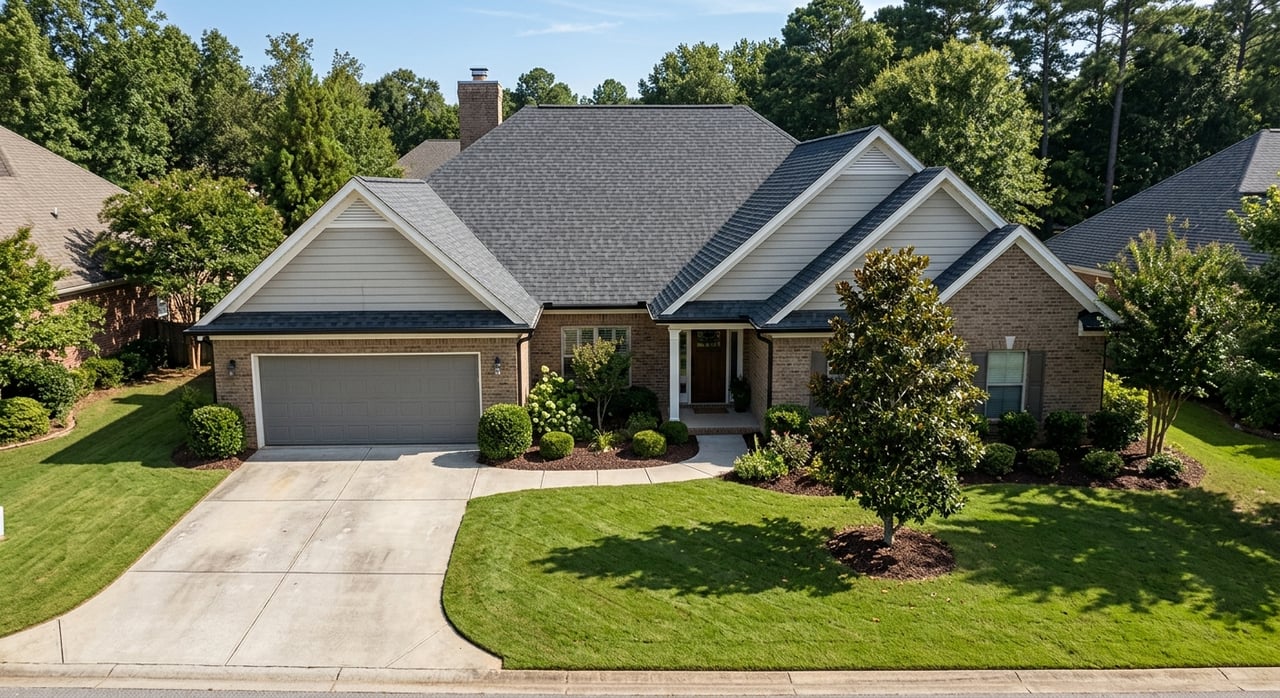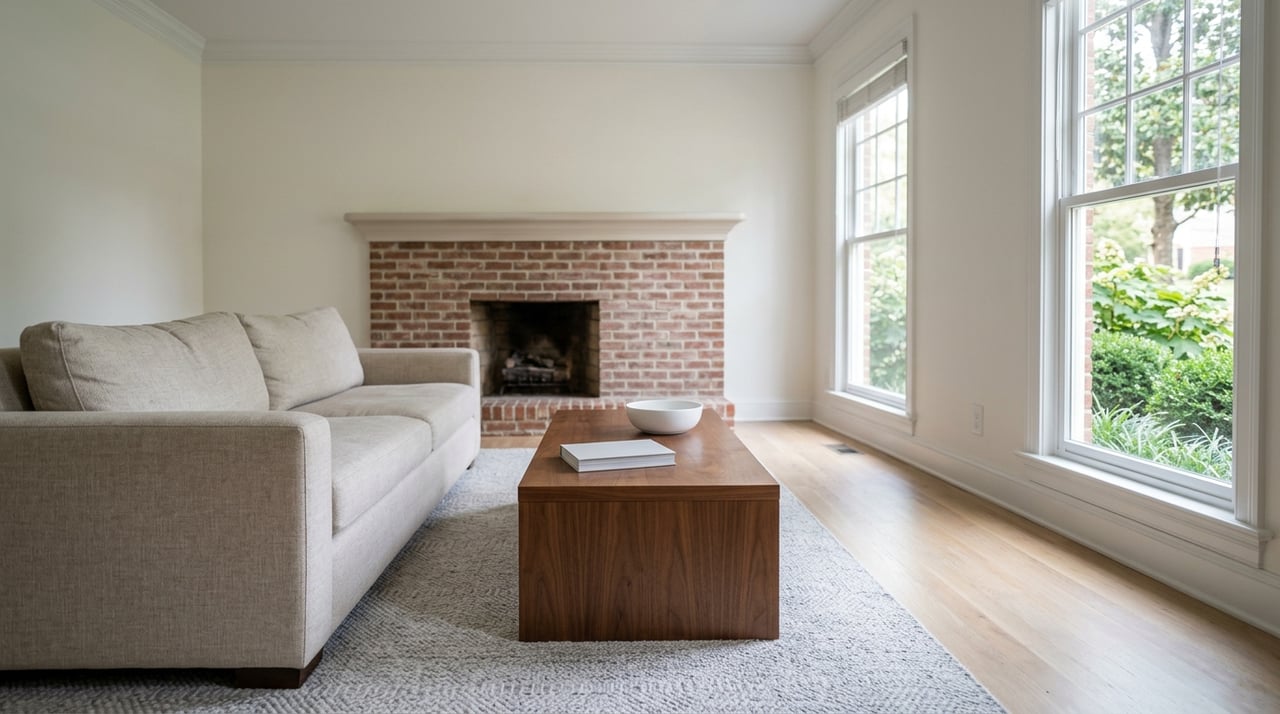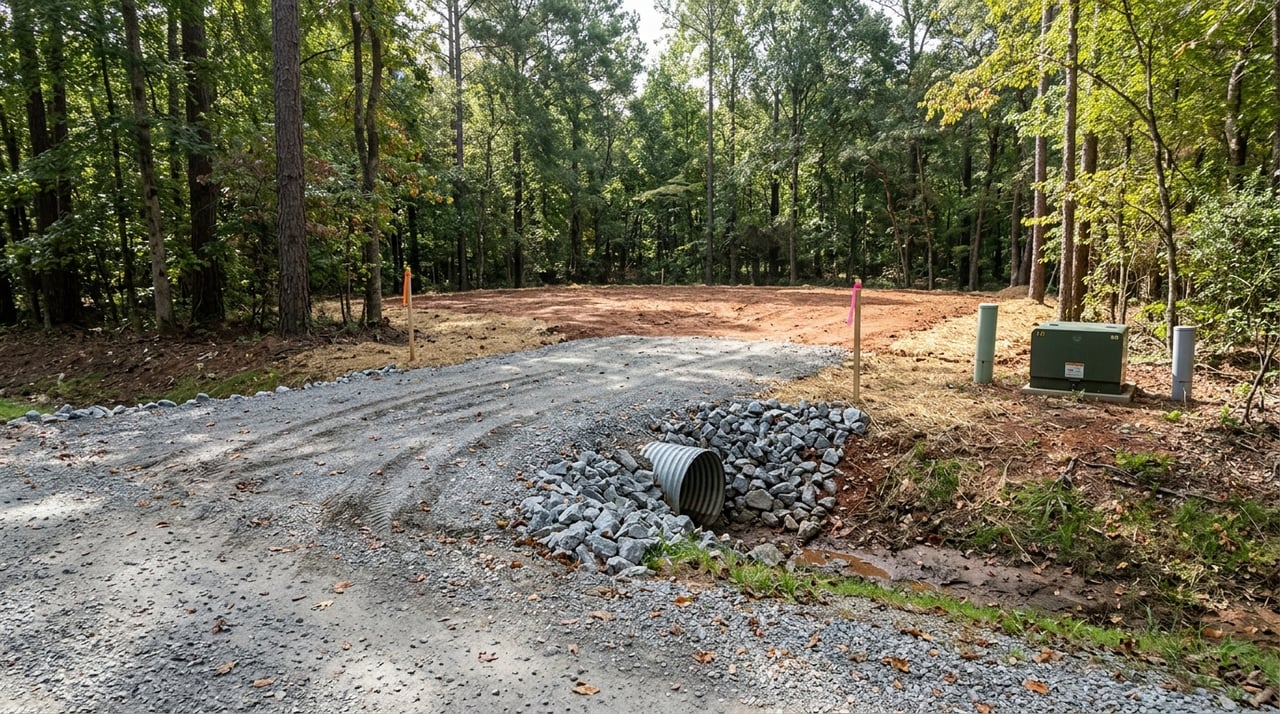
Torn between a Smith Lake waterfront home and an off-water place with easier upkeep and a lower price? You are not alone. Buying near the lake is exciting, but the right choice depends on how you plan to use the property, your budget, and your comfort with lake-specific rules. In this guide, you will get a clear, local look at costs, access, maintenance, and resale so you can move forward with confidence. Let’s dive in.
Smith Lake at a glance
Smith Lake is a deep, branching Alabama Power reservoir with about 21,200 acres of water and roughly 713 miles of shoreline. Water levels are managed seasonally, which affects docks, ramps, and some shoreline structures. Alabama Power oversees shoreline permits for docks, boathouses, and most shoreline work, so plan ahead if you want to build or modify anything on the water. You can review lake operations and shoreline guidelines on the Alabama Power Smith Lake page at apcshorelines.com.
What “waterfront” and “off-water” mean
Not every lake-area home is the same. Here is how the main options break down.
True waterfront homes
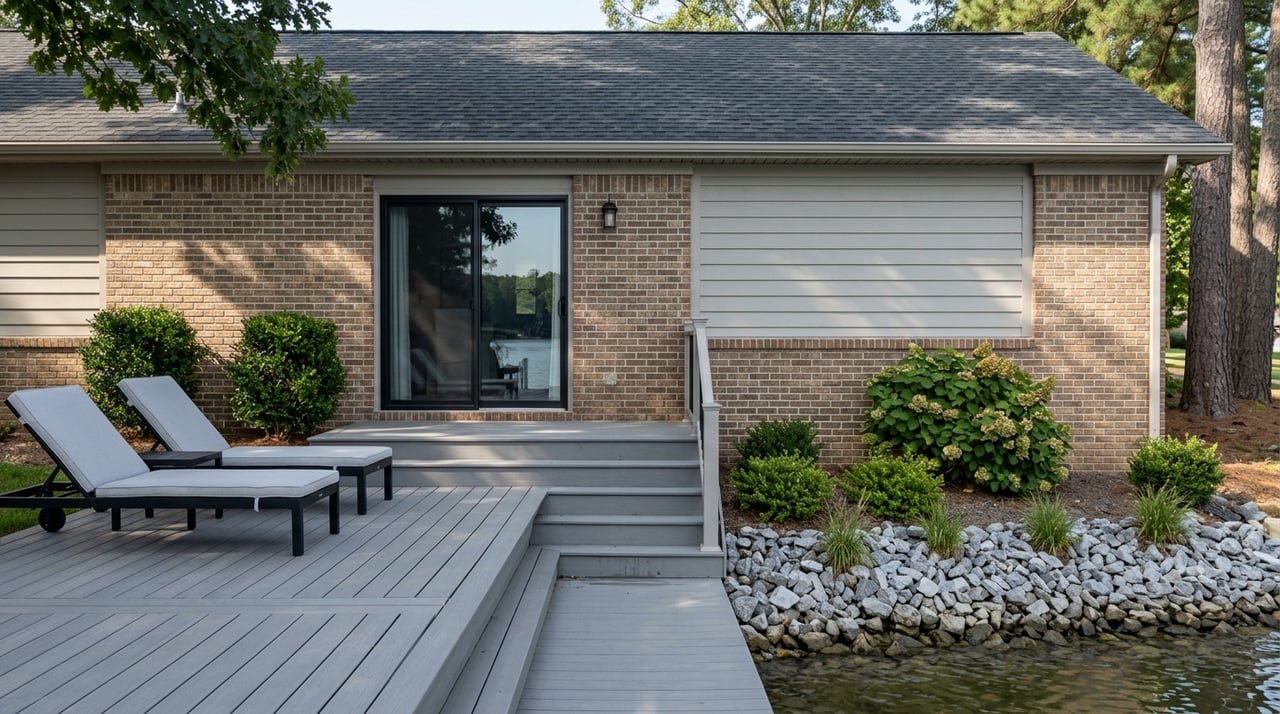
These parcels directly touch the lake and often include a private dock, boat lift, or boathouse. Your deed should spell out the waterfront rights. Shoreline structures usually require Alabama Power approval, so you will want written permit history during due diligence.
Pros
- Private, immediate lake access and the strongest lifestyle appeal.
- Often the best water views and highest long-term demand.
Cons
- Higher upfront price and ongoing dock or shoreline upkeep.
- Potential for weekend boat traffic and noise in busy coves.
- Insurance steps may be more involved. Confirm flood zone status early if a lender is involved.
Homes with dedicated boat slips
Some communities or marinas offer deeded or assigned slips. A deeded slip conveys with the property and usually delivers stronger long-term value than a leased slip. Assigned or leased slips come with rules, fees, and sometimes waitlists.
Pros
- Often lower purchase price than full private waterfront.
- Less on-site dock maintenance, especially if a marina handles services.
Cons
- Not the same as owning shoreline or a private dock.
- HOA or marina policies can limit boat size, guests, or transfer rights.
Off-water or near-water homes
These properties do not include private shoreline or an on-site dock. You access the lake by public ramps, a community dock, or a nearby marina.
Pros
- Lower acquisition cost and wider selection.
- Easier, lower-maintenance ownership with no dock to service.
Cons
- No instant water access. You will drive to launch or a rented slip.
- Ramps and marinas can be busy on peak summer weekends.
Costs and budget reality
Waterfront prices on Smith Lake span a very wide range. You can find small waterfront cabins and some lots at lower price points, many move-in-ready waterfront homes in the middle bands, and distinctive estates in the multi-million range. Off-water homes in nearby towns typically list at lower price points than prime waterfront addresses.
The key takeaway: if you want immediate, deep-water access for a larger boat and a premium view, plan for a higher price bracket. If you are flexible on private shoreline, you can often trade to a deeded or marina slip, or choose an off-water home and keep more budget for the house itself.
Lifestyle trade-offs to expect
Access vs privacy
Waterfront gives you instant access that is hard to beat. Location still matters. Some narrow channels and active coves see heavier traffic on summer weekends. Safer, calmer navigation is encouraged around tight areas, which can shape your boating experience. For local boating guidance and tips, see the community resources shared by The Lakeside Life’s Smith Lake blog at thelakesidelife.com.
Water level seasonality
Smith Lake is a storage reservoir with seasonal drawdowns. That can affect dock heights, lift settings, and ramp usability, especially in winter. When you tour homes, ask about typical water levels in that cove and any adjustments the owners make through the year. You can review operating context and guidelines on apcshorelines.com.
Day-to-day convenience
Off-water homes often put you closer to in-town services and make day-to-day errands simpler. If you work or commute regularly, this can be a real benefit. If you plan to boat most weekends, factor in the extra drive time, storage, and routine loading and unloading.
Maintenance and hidden costs
Docks and boathouses
Dock and boathouse projects are meaningful expenses. National contractor data shows many docks ranging about 15 to 40 dollars per square foot, with more complex lifts and covered slips driving costs higher. Routine staining, hardware replacement, and lift service should be part of your annual plan. Get local contractor estimates before you buy. See typical cost ranges at HomeAdvisor’s dock cost guide.
Septic systems
Many lake-area homes use on-site septic. Expect regular pumping and inspection, often every 3 to 5 years depending on use. Repairs or replacements can be several thousand dollars based on site and system type. The EPA’s wastewater guidance outlines general maintenance needs at nepis.epa.gov.
Flood and homeowners insurance
Lenders require flood insurance when a mortgaged structure is inside a FEMA Special Flood Hazard Area. Check each property’s status early using FEMA’s map tools and obtain quotes so there are no surprises. Learn more about flood mapping and policy basics from FEMA’s resources at fema.gov. For lender requirements, see the Federal Reserve’s overview at Consumer Compliance Outlook.
Marina and HOA slip fees
If you use a marina or community slip, plan for annual fees and review transfer or waitlist policies in writing. You can scan regional marina options and services around the lake at SmithLake.info’s marina directory.
Resale and long-term value
Waterfront status and water quality both matter for property value on and near the lake. Peer-reviewed research shows that waterfront homes and even nearby off-water homes can benefit as water quality improves. That means a permitted, usable dock, documented maintenance, and a healthy, clear lake are not just lifestyle perks. They can support resale. Review a summary of value impacts at this hedonic analysis on PMC.
How to choose the right fit
Use this quick checklist to focus your search and due diligence.
- Verify waterfront or slip rights in the deed. If there is a dock, ask for Alabama Power shoreline permits and plans. Details and contacts are on apcshorelines.com.
- Confirm FEMA flood zone status and get early insurance quotes. See FEMA resources at fema.gov.
- Inspect dock and lift condition. Get written bids for repairs or replacement. Check national cost ranges via HomeAdvisor.
- Request septic inspection and pumping history, plus local health department permit records. Learn general upkeep at nepis.epa.gov.
- If using a marina or HOA slip, obtain rules, fees, size limits, and transfer policies in writing. Area marinas are listed on SmithLake.info.
- Test the location for noise and traffic on a summer weekend and a weekday morning. Walk the shoreline if applicable and note neighboring docks.
- If resale in 5 to 10 years matters, prioritize transferable, permitted dock or slip rights, clear maintenance records, and strong water depth and access at the dock.
Which option fits your goals
- Choose waterfront if daily or weekend-on-repeat lake access is your top priority, you value a premium view, and you are comfortable budgeting for dock care and seasonal water-level adjustments.
- Choose a home with a deeded or assigned slip if you want boat convenience without full waterfront pricing or dock maintenance at your doorstep.
- Choose off-water if you want a lower purchase price, simpler upkeep, and easy in-town living, and you are fine trailering or renting a slip when you want to get on the water.
When you are ready, an experienced local guide can help you compare coves, confirm permits, and line up contractors and insurers during due diligence.
If you want a clear plan tailored to your budget and timeline, reach out to Jay Barrett to schedule a free consultation. With 36 years of local experience and full-service support, Jay will help you find the right Smith Lake home and move forward with confidence.
FAQs
What is the difference between Smith Lake waterfront and off-water homes?
- Waterfront includes private shoreline and often a dock, while off-water homes do not have direct water access and rely on public ramps, marinas, or community docks.
How do Smith Lake water levels affect docks and boating?
- Smith Lake has seasonal drawdowns managed by Alabama Power, so dock heights, lifts, and ramp usability can change through the year; design and permits should reflect this.
Do I need flood insurance for a Smith Lake home?
- If your mortgaged structure is in a FEMA Special Flood Hazard Area, lenders require flood insurance; check the FEMA map and get quotes early.
What are typical costs to build or replace a dock?
- National ranges often fall around 15 to 40 dollars per square foot, with lifts and covered slips pushing costs higher; obtain local contractor bids during due diligence.
Are deeded boat slips better than leased or assigned slips?
- Deeded slips usually carry stronger long-term security and resale value; leased or assigned slips can include fees, rules, and transfer limits that you should review in writing.
How does water quality impact property values around Smith Lake?
- Research shows better water quality can raise values for both waterfront and nearby off-water homes, which makes lake health and clear, permitted shoreline assets for resale.