Buying land on Smith Lake can feel simple at first glance. You find a lot with water views, imagine the house or dock you want, and start picturing weekends on the lake. But with lake property, the details behind the listing often matter more than the photos. If you want to buy with confidence, you need to know what to verify before you make an offer. Let’s dive in.
Why Smith Lake lots need extra due diligence
Lewis Smith Lake spans Walker, Winston, and Cullman counties and covers about 21,200 acres with more than 500 miles of shoreline. According to Outdoor Alabama’s Smith Lake overview, it is known for deep, clear water and a location about an hour north of Birmingham, south of Huntsville, and just off I-65. That wide footprint means one lot can have very different conditions, access, and permitting questions than another lot just a few coves away.
Lake levels also matter more than many buyers expect. Outdoor Alabama notes that Alabama Power begins lowering Smith Lake on July 1 and finishes lowering on November 30. That seasonal change can affect how the shoreline looks, how steep a lot feels, and how usable a dock site may be at different times of year.
Start with the lot’s real shoreline potential
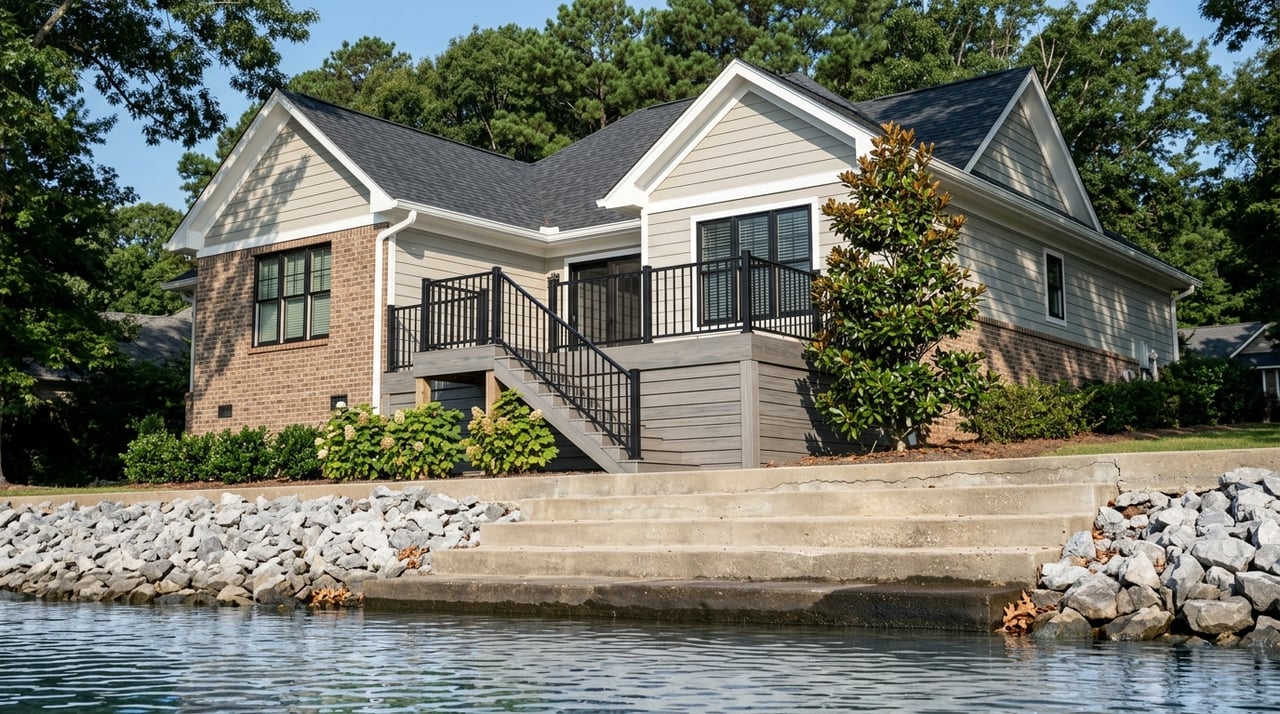
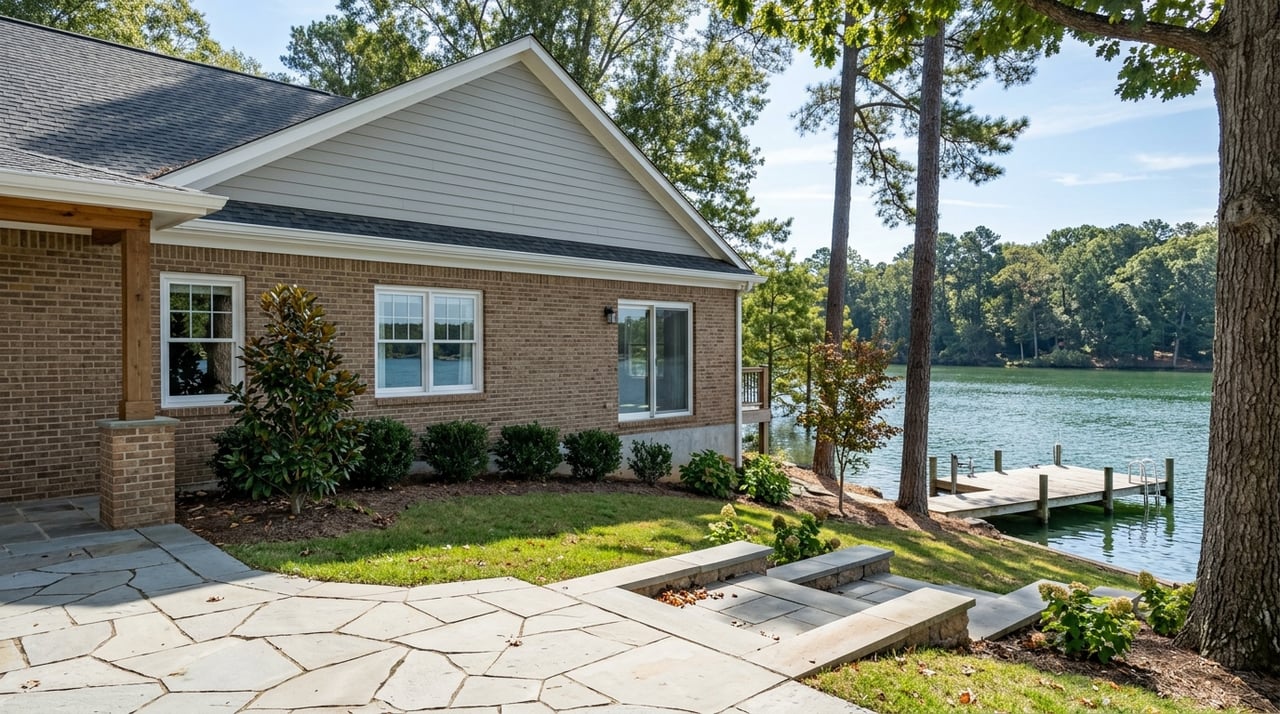
A Smith Lake lot may be advertised as waterfront, but that does not automatically mean it will support the shoreline setup you want. Before you buy, you should confirm how much shoreline frontage the parcel actually has and how that frontage lays out on the water.
According to Alabama Power’s Smith Lake shoreline guidelines, lots with less than 100 linear feet of shoreline may be restricted or may not qualify for certain structures. The same guidelines also explain that owning shoreline frontage does not automatically give you the right to place a structure on Alabama Power property.
That is why buyers should look beyond words like “lake lot” or “waterfront.” You want to know whether the parcel sits on open water, in a cove, or in a narrow slough, and whether that specific setting supports your plans.
Open water, coves, and narrow sloughs
Not every stretch of shoreline functions the same way. A lot in open water may offer a different building and dock experience than a lot tucked into a narrow slough.
Alabama Power states that in a narrow slough, structures cannot extend more than one-third of the way across the slough. The guidelines also note that some lots in narrow sloughs may not qualify for a permit at all. If dock access is one of your top goals, this is a question to answer early.
Existing dock permit versus future possibility
There is a big difference between a lot that already has an approved shoreline structure and a lot where a future structure might be possible. Alabama Power requires a written permit before shoreline work begins, and verbal approval is not enough.
If a listing mentions a dock site, pier, or future boathouse potential, ask for documentation. The current Smith Lake guidelines include structure limits, including a 1,444-square-foot maximum and a 92-foot length maximum, so the exact design you want may still depend on review and approval.
Confirm surveys, boundaries, and build plans
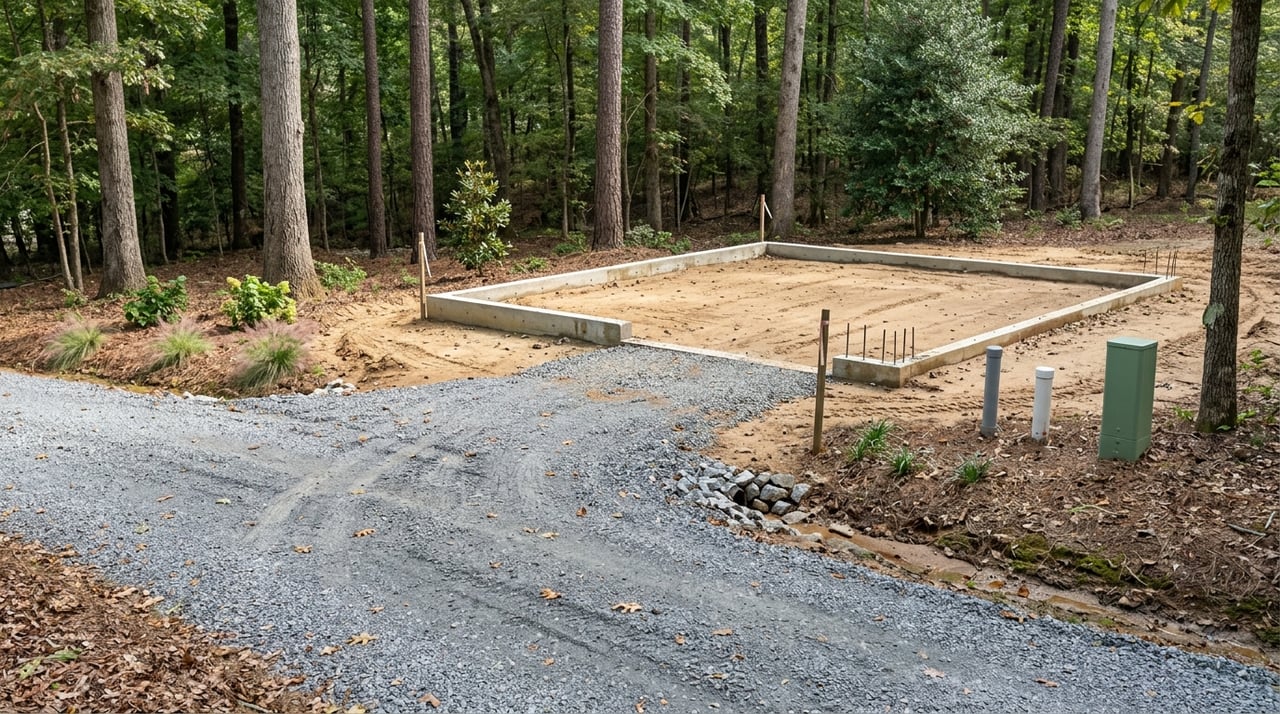
Lake lots can be irregular, steep, or shaped in ways that affect where you can place a house, driveway, septic field, or shoreline structure. That makes a current survey one of the most useful tools in your due diligence process.
Per Alabama Power’s shoreline application requirements, elevated single-family shoreline structures may require a current survey that shows property lines, full pool elevation, and the proposed structure location. Alabama Power may also require conceptual plans and local health department sanitation approval.
This matters because a lot may look buildable on paper but become more complicated once elevations, setbacks, and shoreline conditions are mapped out. A survey can help you see what is truly usable before you commit.
Verify legal access before you close
One of the most important land-buying questions is also one of the easiest to overlook: how do you legally get to the property? A lot can have great views and still create major problems if access is unclear.
Before buying, confirm whether the parcel has recorded road frontage or a documented easement. The University of Maryland Extension’s explanation of easements by necessity reinforces why access should be verified, not assumed, especially when parcels have changed hands or been subdivided over time.
For practical purposes, you want the answer in writing, not in local memory or seller assumptions. This is especially important for land held as an investment, where future resale value may depend heavily on clean, documented access.
Check sewer, septic, and well feasibility
Utilities can make or break a land purchase around Smith Lake. Some parcels may have nearby utility options, while others will depend on septic systems and well planning.
The Alabama Department of Public Health advises buyers to check with the city sewer authority or local health department before purchasing land for a home. If sewer is not available, the soil must be tested to determine whether a septic system is suitable, and a permit must be issued before construction begins.
ADPH also notes that installers should be licensed by the Alabama Onsite Wastewater Board. On the water side, ADPH environmental services guidance explains that county environmentalists handle questions involving individual residential wells, including sampling and contamination concerns.
Why utility questions are parcel-specific
Two nearby lots can have very different outcomes for septic or water service. Soil conditions, slopes, lot size, and local infrastructure all affect what is possible.
That is why utility due diligence should happen before you close, not after. If you are buying land for a custom home, septic feasibility is not a side issue. It is a core part of whether the property works for your goals.
Review flood risk and terrain early
Smith Lake buyers often focus on views and shoreline, but flood review is also essential. Buildable area does not always line up neatly with the legal lot boundary, especially on lakefront property.
FEMA’s Flood Map Service Center is the official public source for flood hazard maps. FEMA also notes that flood maps do not follow property lines, which is especially relevant when a parcel has a narrow shoreline strip or changing topography.
Beyond map review, terrain affects construction costs and usability. A steep lot may still be an excellent fit, but you want to understand how slope influences driveway placement, home design, septic layout, and access to the water.
Know which office handles what
A smooth land purchase often comes down to asking the right questions to the right office. Around Smith Lake, different issues may fall under different agencies depending on the parcel and your plans.
For shoreline structures, permits, and project lands or waters, Alabama Power says buyers should contact the local shoreline office before starting construction or repairs. The Smith Lake Shorelines contact page lists [email protected] and 205-384-7385.
For septic, onsite sewage, and many well-related questions, ADPH directs buyers to the county health department. If the parcel is located within a municipality, the local building office may also be part of the process. For example, the City of Cullman Building Inspection Department handles permits and questions involving setbacks, property lines, easements, annexations, and related zoning matters within its jurisdiction.
A simple contact guide
Here is a quick way to think about it:
| Question | Likely Contact |
|---|---|
| Can I add a dock, pier, or shoreline structure? | Alabama Power Shorelines Office |
| Will this lot support septic or a well? | County health department environmentalist |
| Do local permits, setbacks, or zoning rules apply? | City building office, if the parcel is in that jurisdiction |
Buying to build versus buying to hold
Your due diligence should match your purpose. A lot bought for a custom home needs a different level of review than a lot you plan to hold as a long-term investment.
If you plan to build, focus on access, shoreline permit eligibility, septic feasibility, flood review, and terrain. If you plan to hold the lot, those same factors still matter because they strongly affect future resale potential.
In other words, acreage and lake frontage alone do not tell the whole story. On Smith Lake, a smaller parcel with clear access, workable shoreline, and confirmed septic feasibility may be more practical than a larger parcel with unresolved questions.
A smart Smith Lake lot checklist
Before you move forward on a land purchase, make sure you can answer these questions clearly:
- How many linear feet of shoreline does the parcel have?
- Is the lot on open water, in a cove, or in a narrow slough?
- Is there an existing shoreline permit, or only the possibility of one?
- Does the parcel have recorded road access or a surveyed easement?
- Is sewer available, or will septic testing and approval be required?
- Have you reviewed flood risk using FEMA maps?
- Do you know which office controls each question for this exact parcel?
If you are considering land around Smith Lake, working with someone who understands lakefront and acreage details can save you time, money, and stress. Jay Barrett brings decades of local experience in Jasper, Smith Lake, and the surrounding area, and can help you sort through the practical questions that matter before you buy.
FAQs
What should you check before buying a Smith Lake lot?
- You should verify shoreline frontage, dock or shoreline permit potential, legal access, sewer or septic feasibility, flood risk, terrain, and which agency has jurisdiction over the property.
Can you automatically build a dock on Smith Lake property?
- No. Alabama Power requires a written permit before shoreline work starts, and shoreline ownership does not automatically create the right to place a structure on Alabama Power property.
Does every Smith Lake waterfront lot qualify for a dock permit?
- No. Alabama Power states that some lots, especially those with less than 100 linear feet of shoreline or those in narrow sloughs, may be restricted or may not qualify for certain structures.
How do you check septic feasibility for land around Smith Lake?
- You should contact the local health department or sewer authority before buying, because if sewer is unavailable, the soil must be tested and a septic permit must be issued before construction.
Why does legal access matter when buying Smith Lake land?
- Legal access matters because a parcel’s usability and resale potential can depend on whether it has recorded road frontage or a documented easement rather than assumed access.
Where do you check flood risk for a Smith Lake parcel?
- You can review flood hazard information through FEMA’s official Flood Map Service Center, which is the public source for flood maps.