Thinking about buying on Smith Lake but not sure which community fits you best? With three counties, hundreds of coves, and a web of marina and dock rules, it can feel overwhelming fast. You want a place that matches your lifestyle, protects your investment, and keeps weekends on the water simple. In this guide, you’ll learn how the Cullman, Walker, and Winston sides differ, what to know about marinas and docks, how coves compare to main channels, and a practical due diligence checklist to avoid surprises. Let’s dive in.
Quick orientation to Smith Lake
Lewis Smith Lake is a reservoir created by the Lewis Smith Dam and managed by the lake’s owner and operator. That operator sets shoreline policies, water-level guidance, and many dock rules. The lake spans three Alabama counties: Cullman, Walker, and Winston. Each side has its own character, services, and regulations, so it pays to align your search with your priorities early.
Before you write an offer, plan to contact the lake operator and the county offices for the property you’re considering. They can confirm dock permitting, shoreline work rules, and septic or well requirements. A little homework upfront protects your enjoyment of the lake later.
County-side overview for buyers
Cullman-side highlights
The Cullman side, generally along the southern and southeastern shoreline, blends permanent homes, weekend houses, and subdivisions. You’ll often find closer access to city services and some municipal utilities. Buyers sometimes choose this side for shorter drives to Cullman’s retail and medical options. Specific roads, neighborhoods, and coves vary widely, so verify utilities and access for each property.
Walker-side highlights
The Walker side, along the western shoreline, offers stretches of private shoreline, small communities, and established marinas and ramps. Day-to-day conveniences are accessible in lake-adjacent towns. If you value particular marinas or established boating corridors, this side can be a strong match. Proximity to regional employment hubs on the western corridor is another potential draw depending on your commute.
Winston-side highlights
The Winston side features more secluded coves, hillier terrain, and pockets of rural or resort-style development. Many buyers favor this area for its privacy and scenic views. It often delivers a quieter lake experience while still within driving distance of nearby towns. As with any rural shoreline, roads and utilities can differ cove to cove, so confirm details for each listing.
Marinas, ramps, and dock logistics
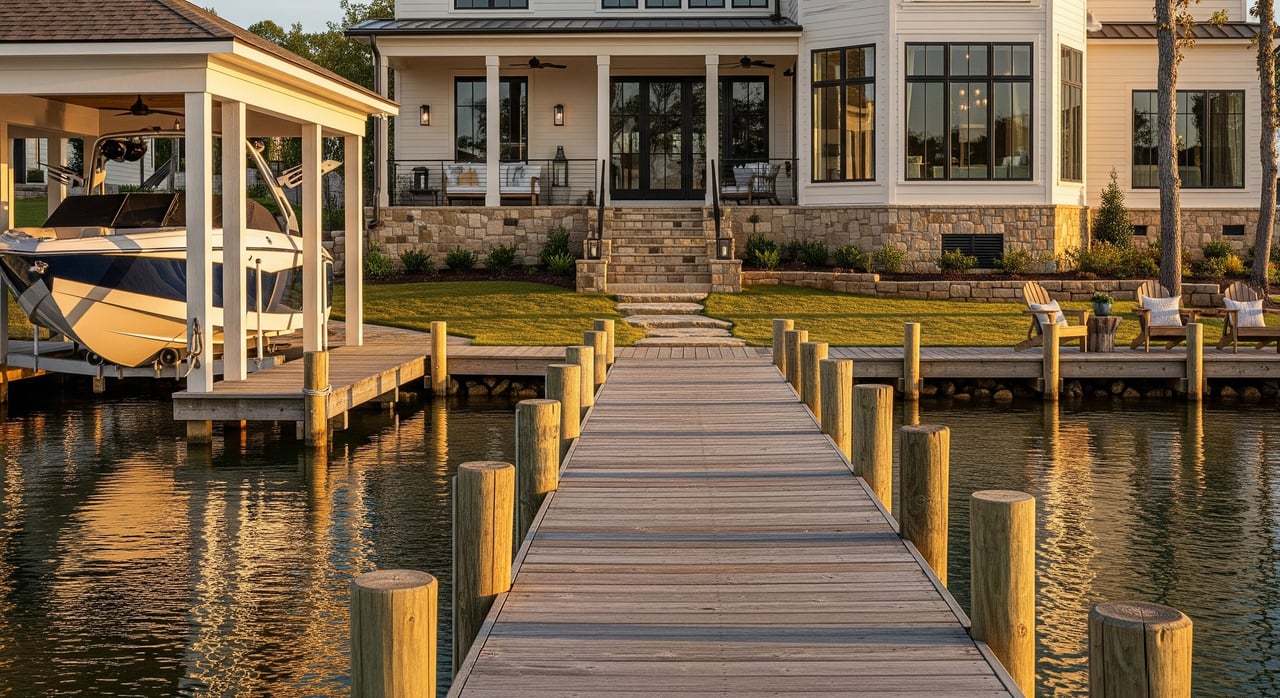
Full-service marinas around Smith Lake provide slips, fuel, maintenance, and convenience items. Some neighborhoods also have community docks or shared storage, and there are public ramps and parks for launching. But slip access is not automatic with waterfront property, so confirm specifics early.
Key checks to make:
- Slip availability and ownership: Is a slip deeded to the property, leased through a marina, or part of an HOA arrangement?
- Waitlists and costs: Some marinas manage slips by waitlist with monthly or annual fees that change seasonally.
- Dock permitting and standards: Most docks require approval from the lake operator and may also need county permits. Ask about rules on size, anchoring, and construction.
- Seasonality and services: Verify winter operations, storage options, and any offseason closures.
The presence or absence of a slip or permitted dock can affect both your lifestyle and resale value. Get everything in writing before you finalize an offer.
Coves vs channels: how they live
Coves are narrow, sheltered inlets off the main lake. They tend to have calmer water, more privacy, and reduced boat traffic. That can be ideal for swimmers, kids, kayaks, and paddleboards.
Main channels offer deeper water, big views, and immediate access to boating corridors and marinas. They are popular with larger boats and those who want to get on plane quickly, but expect more wake and noise on busy days.
What to consider:
- Water depth and access: Some coves are shallower, especially at low water. Check for seasonal fluctuations, dredging history, and any shoaling.
- Boat handling: Tight coves can limit turning room for larger boats. Channels typically provide more maneuvering space.
- No-wake zones and markers: Ask about local speed restrictions in your target cove.
Match the water to your use. If your weekends revolve around watersports or a deep-draft boat, a channel location may suit you. If you prioritize quiet swimming and a protected dock, a cove can be a better fit.
Commute, roads, and services
Commute times depend heavily on which side of the lake you choose. Drives to employment centers like Birmingham, Huntsville, Cullman, Jasper, or Decatur can range from short local trips to roughly 45 to 90+ minutes. Always map door-to-door during actual commute hours to get a true read.
Road access varies. Many properties rely on state and county highways that narrow to winding two-lane roads near the water. Remote coves may experience different conditions during winter weather or emergencies, so assess how the route fits your daily life.
Utilities are not uniform. Some areas have municipal water or community sewer, while many homes use wells and septic systems. Power is generally available, but rural lines can be more outage-prone and may affect dock power options. Internet and cellular coverage range from strong to patchy; confirm provider speeds if you rely on remote work or streaming. For families, verify the specific school district tied to the parcel and proximity to healthcare and retail.
HOA norms and local rules
Smith Lake neighborhoods run the gamut. Some have no HOA, while others include active associations with covenants, architectural review, community docks, and shared amenities.
Common items to review:
- Architectural guidelines: Exterior colors, roof materials, height limits, or design review steps.
- Dock rules: Permitted designs, maintenance standards, and insurance requirements.
- Short-term rentals: Counties and HOAs increasingly regulate or require registration or permits. Confirm before you plan rental income.
- Road and common areas: Private roads and amenities can have annual fees or special assessments.
Most shoreline and dock work requires lake-operator approval, and may also need county permits or environmental review. Septic and well systems are permitted by county health departments. Insurance needs for docks and lakeside improvements can differ from standard homes, so get quotes early.
Buyer due diligence checklist
Before you submit an offer, gather and verify:
Jurisdiction and parcel details
- County, school district, and tax parcel ID.
- Address validation for emergency services and mail delivery.
Waterfront rights and dock status
- Whether riparian rights are deeded.
- If a dock or slip is deeded, leased, or dependent on HOA or marina membership.
- Written confirmation of slip assignments, waitlists, and fees.
- Dock permitting history and any pending shoreline policy changes with the lake operator.
Flood, elevation, and insurance
- FEMA flood map review and any elevation certificates.
- Homeowners and flood insurance quotes, including dock coverage and liability limits.
Septic, wells, and utilities
- Septic inspection and permit records; confirm capacity for full-time use and guests.
- Well yield and water quality tests.
- Utility easements affecting the property or dock power.
Access and road maintenance
- County versus private road ownership and who maintains it.
- Driveway suitability for daily use and storm recovery.
Environmental and shoreline conditions
- Evidence of erosion, prior stabilization work, or dredging.
- Any history of algae or water-quality advisories in the cove or nearby.
HOA and community documents
- CC&Rs, bylaws, budgets, meeting minutes, and assessment history.
- Rules for short-term rentals, boat traffic, and dock construction.
Title, easements, and surveys
- Recent survey or a survey contingency.
- Easements for utilities, access roads, or neighboring docks.
Market and resale context
- Comparable sales for similar waterfront properties in the same cove or channel.
- Seasonality of demand if you plan to rent part time.
Match lifestyle to location
- Weekend boaters who value quick access: Consider main channel locations close to established marinas to shorten fuel and service trips.
- Families focused on swimming and calm water: Protected coves often feel safer and quieter on busy weekends.
- Large-boat or watersports owners: Favor deeper water and wider corridors for turning and towing.
- Full-time residents: Weigh commute routes, winter road access, municipal utilities, and reliable internet.
- Rental-minded buyers: Prioritize written confirmation on short-term rental rules and the financials of any required registrations or permits.
The best fit comes from aligning your daily life, boat style, and service needs with the unique character of each shoreline and cove.
Work with a local expert
Buying on Smith Lake rewards careful, local due diligence. You will coordinate with the lake operator, county offices, and sometimes HOAs and marinas to confirm docks, utilities, and rules. An agent who knows the coves, roads, and permitting process can save you time and help you avoid costly surprises.
With 36 years of local experience across Jasper, Smith Lake, and the greater Birmingham metro, Jay combines neighborhood knowledge with modern marketing and a calm, client-first approach. If you are ready to focus your search and tour the right communities, reach out to Jay Barrett to Schedule a Free Consultation.
FAQs
What should first-time Smith Lake buyers know about dock permits?
- Most dock construction or placement requires approval from the lake operator and may also need county permits; always confirm size and construction standards before you buy.
How do the Cullman, Walker, and Winston sides differ for daily living?
- Cullman often offers closer access to city services, Walker features established marinas and corridors, and Winston tends to feel more secluded and scenic; utilities and roads vary by cove.
Are slips guaranteed with waterfront property on Smith Lake?
- No; a slip might be deeded, leased from a marina, or shared through an HOA, and some marinas have waitlists with seasonal fees—verify in writing.
Is a cove or a main channel better for families with swimmers?
- Many families prefer coves for calmer, more sheltered water, while channels provide faster access and deeper water but more wake and traffic.
What commute times should I expect from Smith Lake to major cities?
- Commutes vary by shoreline and route, ranging from local drives to roughly 45 to 90+ minutes; test your door-to-door trip during rush hour.
What utilities are common for lake homes around Smith Lake?
- Some areas have municipal water or community sewer, but many properties rely on wells and septic; internet and cellular coverage vary by cove, so verify providers and speeds.
How are short-term rentals handled on Smith Lake?
- Rules differ by HOA and county; many communities now regulate or require registration and permits, so confirm policies before planning rental income.
What inspections are most important for a Smith Lake purchase?
- Prioritize septic inspection and permit records, well testing where applicable, dock permitting history, flood map review, and a recent survey or survey contingency.